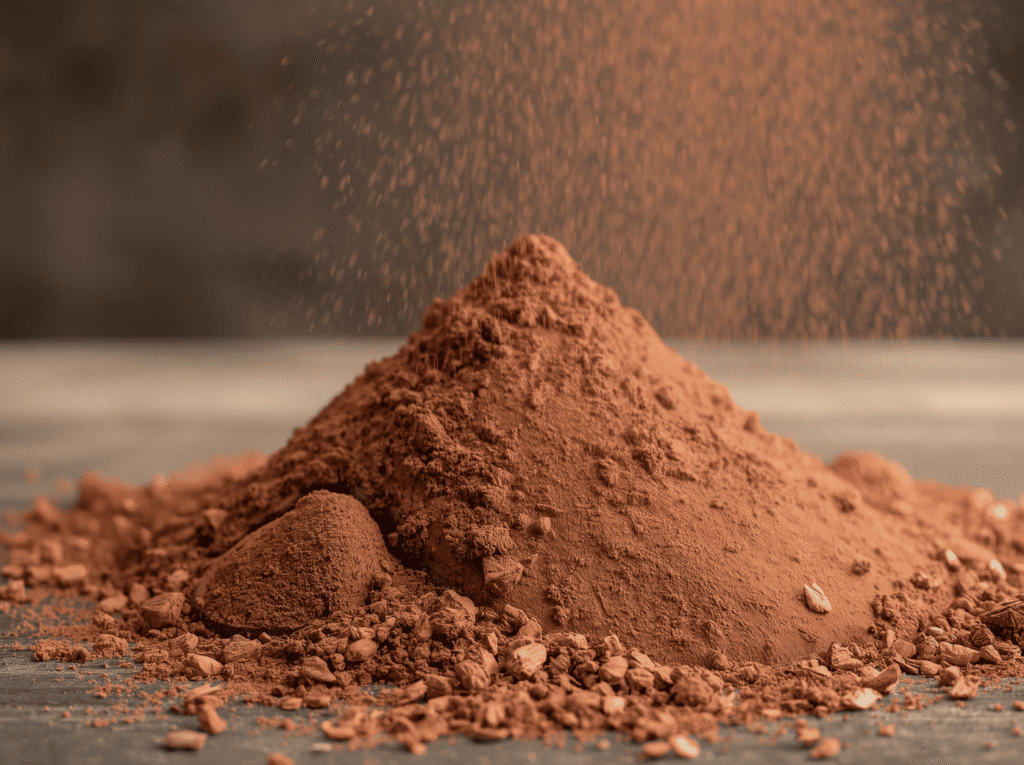
Industrial manufacturers today require raw materials that deliver consistency, performance, and cost efficiency. This is where Blended Clay Powder plays a vital role. Designed by combining multiple clay minerals in carefully controlled proportions, blended clay offers enhanced physical and chemical properties that single-source clays often cannot achieve.
Whether you are involved in ceramics, sanitaryware, construction, agriculture, environmental engineering, or industrial formulations, selecting the right Blended Clay Manufacturer can significantly improve product quality and manufacturing efficiency.
What is Blended Clay Powder?
Blended Clay Powder is an engineered mixture of two or more clay types that are combined to achieve specific performance characteristics. Manufacturers typically blend materials such as ball clay, kaolin clay, refractory clay, and other compatible minerals to create customized formulations.
The objective is to balance key properties such as:
- Plasticity
- Workability
- Drying behavior
- Shrinkage control
- Fired color consistency
- Thermal stability
- Mechanical strength
Unlike natural clay from a single source, blended clay provides predictable and repeatable performance across production batches.
Key Technical Advantages of Blended Clay
1. Enhanced Workability
Optimized particle size distribution improves shaping, molding, extrusion, and casting processes, making production more efficient.
2. Controlled Shrinkage
Carefully engineered clay blends help reduce drying and firing defects, resulting in improved dimensional stability.
3. Improved Thermal Stability
When blended with refractory-grade materials, blended clay can withstand elevated temperatures while maintaining structural integrity.
4. Consistent Quality
Professional blending processes ensure uniform mineral composition, moisture content, and bulk density, supporting reliable manufacturing outcomes.
5. Cost-Effective Performance
By combining the strengths of different clay minerals, manufacturers can optimize product performance while reducing dependence on expensive raw materials.
Major Applications of Blended Clay Powder
Ceramics & Sanitaryware
Blended clay improves plasticity, firing behavior, and surface finish, helping manufacturers produce high-quality ceramic products.
Construction & Civil Engineering
Used in soil stabilization, foundation reinforcement, and waterproofing applications where durability and consistency are essential.
Environmental Engineering
Blended clay serves as an effective material for landfill liners, containment systems, and environmental protection projects due to its sealing properties.
Agriculture & Soil Conditioning
It helps improve moisture retention, soil aeration, and nutrient management, supporting better crop performance.
Industrial Formulations
Many industries use blended clay in adhesives, sealants, coatings, and specialty formulations that require specific rheological characteristics.
How to Choose the Right Blended Clay Manufacturer
Selecting a reliable Blended Clay Manufacturer is critical for maintaining production quality and supply continuity.
Consider the following factors:
- Proven mineral reserves and supply capacity
- Advanced quality control and testing facilities
- Custom blending capabilities
- Consistent batch-to-batch performance
- Bulk supply and export experience
- Technical support for application-specific requirements
A trusted manufacturer should be able to develop customized clay blends based on your industry needs while ensuring long-term supply reliability.
Why Businesses Prefer a Reliable Blended Clay Dealer
Working with an experienced Blended Clay Dealer offers several advantages:
- Faster procurement processes
- Consistent material availability
- Technical guidance for product selection
- Competitive bulk pricing
- Efficient logistics and delivery support
For industries where production consistency is critical, sourcing from an established dealer or manufacturer minimizes operational risks and improves manufacturing efficiency.
Conclusion:
As industries continue to demand higher performance and greater consistency from raw materials, Blended Clay Powder has become an essential solution across multiple sectors. Its ability to deliver tailored plasticity, controlled shrinkage, thermal stability, and cost efficiency makes it a preferred choice for modern manufacturing.
Choosing an experienced Blended Clay Manufacturer or Blended Clay Dealer ensures access to high-quality, customized clay solutions that support long-term operational success and product excellence.
Frequently Ask Questions
Blended clay powder is a specially engineered mixture of multiple clay minerals combined to achieve desired properties such as plasticity, shrinkage control, thermal stability, and improved workability.
Blended clay powder is widely used in ceramics, sanitaryware, construction, environmental engineering, agriculture, adhesives, sealants, and industrial coatings.
Natural clay comes from a single source, while blended clay combines multiple clay types to provide balanced and consistent performance characteristics.
Manufacturers use blended clay to improve product consistency, reduce defects, enhance processing efficiency, and achieve specific physical and chemical properties.
Key benefits include improved plasticity, controlled shrinkage, better thermal stability, consistent quality, enhanced workability, and cost-effective performance.
Look for a manufacturer with strong mineral reserves, advanced testing facilities, customization capabilities, quality assurance processes, and reliable supply chains.
Yes. Blended clay is extensively used in ceramic and sanitaryware production because it improves molding, shaping, drying, firing behavior, and final product quality.
Yes. Leading blended clay manufacturers create customized formulations based on specific industrial requirements, including plasticity, color, shrinkage, and thermal performance.
Blended clay is a naturally derived mineral-based material and is generally considered more sustainable than many synthetic alternatives used in industrial applications.
You can purchase bulk quantities from a trusted blended clay manufacturer, supplier, or dealer that offers consistent quality, technical support, and reliable delivery services.