
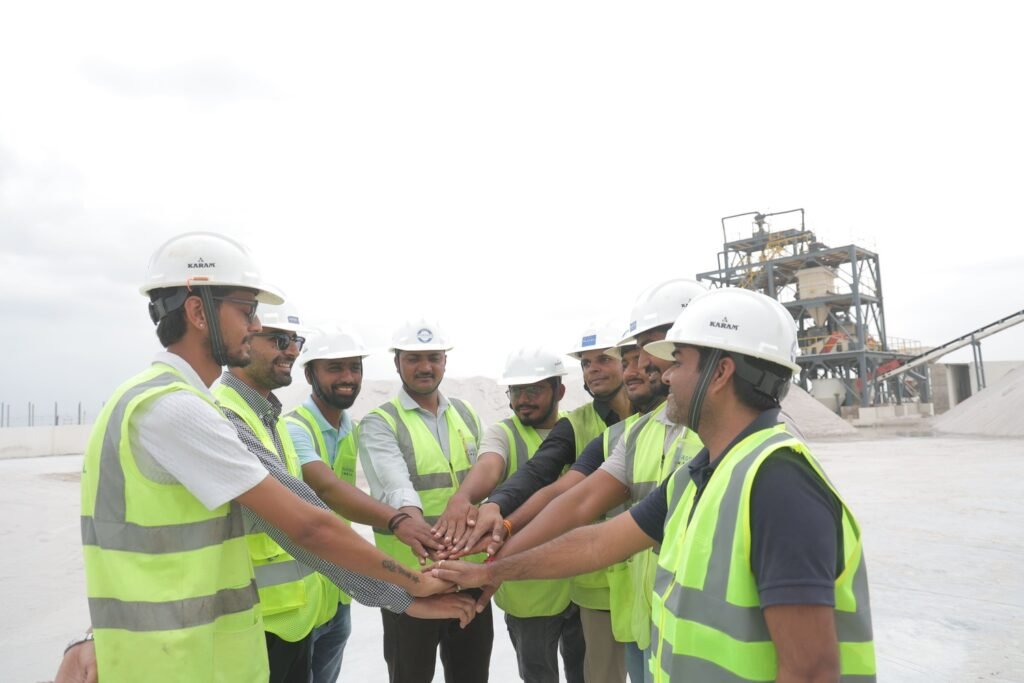
Employee safety is one of the most important aspects of responsible industrial operations. In industries involving mineral processing, manufacturing, material handling, and heavy machinery, maintaining a safe working environment helps protect employees, improve operational efficiency, and build a culture of trust. At Puresil India, teamwork, responsibility, and awareness are important foundations for creating a workplace where people can contribute confidently.
As a company engaged in the mining, processing, manufacturing, and export of industrial minerals, Puresil India understands the importance of responsible operations. Its work supports industries such as ceramics, glass, construction, foundry, paints, and other manufacturing sectors. Behind these operations are employees whose skills, coordination, and commitment help keep daily activities moving forward.
Why Employee Safety Matters in Industrial Operations
Industrial workplaces can involve several potential hazards, including moving machinery, material-handling equipment, dust, noise, slippery surfaces, and vehicle movement. Identifying these risks and taking appropriate preventive measures can help reduce workplace accidents and protect employees from avoidable injuries.
A strong workplace safety culture begins with awareness. Employees should understand the potential risks associated with their tasks, know how to use equipment correctly, and follow established safety procedures. Regular communication and appropriate training also help teams recognize hazards before they become serious problems.
Essential Workplace Safety Practices
Maintaining a safe industrial environment requires consistent attention to everyday activities. Several practices can make a meaningful difference:
- Use appropriate personal protective equipment (PPE). Safety helmets, protective footwear, high-visibility vests, eye protection, hearing protection, and suitable respiratory equipment should be selected according to the specific risks of each task.
- Follow machinery safety procedures. Employees should operate equipment only when authorized and trained. Machine guards, emergency stops, lockout/tagout procedures, and maintenance controls should be used wherever applicable.
- Maintain clean and organized work areas. Clear walkways, properly stored materials, visible warning signs, and good housekeeping can reduce slips, trips, falls, and other preventable incidents.
- Promote hazard reporting. Employees should feel comfortable reporting unsafe conditions, equipment defects, near misses, and potential risks. Early reporting allows responsible personnel to investigate and take corrective action.
- Encourage ongoing safety training. Induction sessions, task-specific instruction, emergency preparedness, and refresher training help employees understand their responsibilities and respond appropriately to changing workplace conditions.
Teamwork Makes Safety Stronger
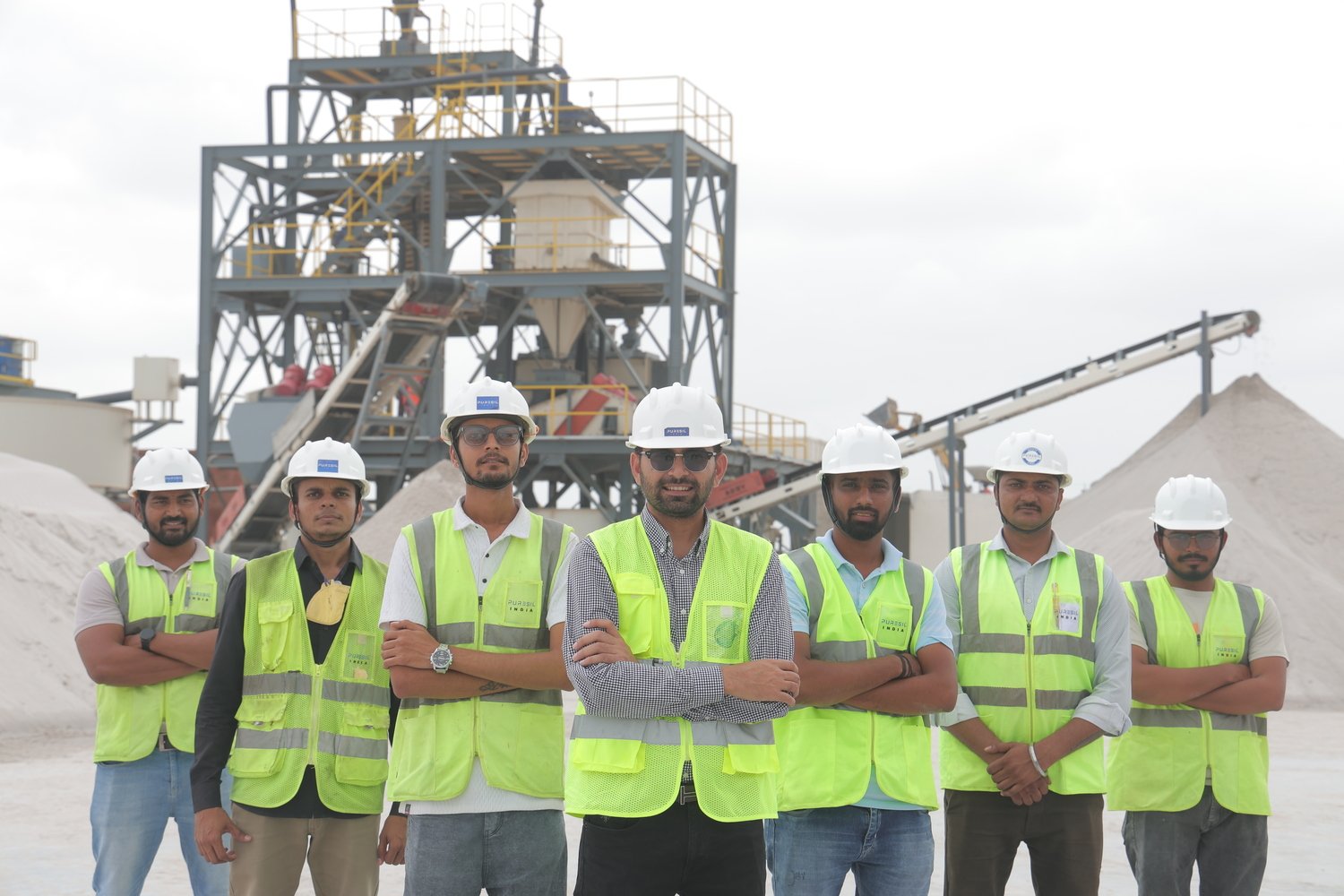
Workplace safety is not the responsibility of one person or department alone. It requires cooperation among employees, supervisors, maintenance teams, and management. When people communicate clearly, follow procedures, and look out for one another, safety becomes part of the organization’s everyday working culture.
Team discussions, safety briefings, and sharing lessons from incidents can help build awareness across departments. Employees should also understand that production targets must never take priority over necessary safety precautions.
At Puresil India, the contribution of every team member is important to the company’s industrial operations. Encouraging a shared commitment to safe working practices supports a more responsible, organized, and collaborative workplace.
Building a Responsible and Sustainable Workplace
Employee safety also connects with broader responsibilities, including environmental awareness, efficient resource use, and responsible industrial practices. Puresil India highlights responsible mining and manufacturing, quality control, and continuous improvement as important aspects of its business approach.
A safer workplace requires regular attention rather than a one-time effort. Reviewing procedures, identifying emerging risks, maintaining equipment, and listening to employee feedback can help organizations strengthen their safety practices over time.
Conclusion
Employee safety is fundamental to building a dependable and responsible industrial organization. Through awareness, suitable protective equipment, training, hazard reporting, and teamwork, industrial workplaces can take meaningful steps toward reducing risks and protecting their workforce.
At Puresil India, people remain an important part of the operations that connect industrial minerals with customers and industries worldwide. A shared commitment to responsibility and continuous improvement helps create a workplace where safety, collaboration, and operational excellence can grow together.
Learn more about Puresil India and connect with our team: Contact Us to discuss your inquiries.